

You have done your homework before surgery. You have reviewed the surgical plan with the surgeon, understand the indications of the surgery and adhered to the preoperative precautions. The surgery is done. Now, what?
Healing is a process. Swelling, bruising, tightness, mild irritation, and day-to-day changes in appearance are all common in the early recovery period. Knowing what to expect can make the experience feel less stressful and go smoothly and help you plan work and activities with more confidence.
Every patient heals differently, and your timeline may vary depending on your procedure, anatomy, skin type, medical history, and whether you had upper eyelid blepharoplasty, lower eyelid blepharoplasty, fat repositioning, ptosis repair, implant placement, brow lift, laser resurfacing, or a combination procedure.
Your surgeon’s personalized instructions are designed to guide your recovery; so it is so important to study the instructions beforehand and strictly adhere to them after surgery.

On the first day of surgery, there may be little bruising and inflammation. The bruising (red, blue and purple discoloration) and swelling will be much worse the morning after surgery and continue to look “scary” for the first two to three of days. The eyelids may feel tight, heavy, puffy, or sore. Some patients notice eye irritation or grittiness, tearing, or temporary blurry vision (from dry eyes and/or antibiotic ointment.) The swelling may prevent the eyelids from closing completely for the first couple of weeks, which can exacerbate dry eyes and eye irritation or grittiness.
During this stage, the priorities are simple: rest, protect the surgical area, and minimize the bruising and swelling.
I can think of only one procedure when I do not have patient ice the first three days of surgery. Otherwise, all patients should be applying ice 20 minutes on and 20 minutes off around the clock while awake the first 72 hours. When sleeping, we should be on our back and not sides, and the head should be elevated 45 degrees. Many patients use travel neck and/or wedge pillow to elevate the head and keep from rolling onto the face. We want to avoid bending, straining, or lifting more than 10 pounds—I usually have patients refrain from these activities until I see patient back at the first post-operative follow-up. These guidelines are all to minimize bleeding, bruising and inflammation.
At LaFace, we are diligent about minimizing the risks of surgery by having strict guidelines before and after surgery. To help prevent infection, we have all patients start topical antibiotics the night of surgery and continue it to the suture lines and in the eye every night until the first post-operative follow-up. The ointment is typically a combination of antibiotic(s) and steroid. The latter helps with inflammation and thus scarring. Patients, who have had procedures on the backside of the eyelid or close to the eyeballs, will be using antibiotic/steroid eye drop three times daily in addition to the ointment.
Plan to take it easy the first 24 hours of surgery. This is not the time for errands, workouts, heavy lifting, alcohol, or prolonged screen time. You may be tired or sleepy from the oral or IV sedation. If the surgery is performed with the latter anesthesia, then be sure to have a responsible adult stay with you the first night.
You may shower the following morning. It is good practice to allow the shower water to run across the face to rinse off the residual antibiotic ointment, dried blood, dead skin and organisms that live on our skin. Afterward, we gently pat dry the surgical site and never scrub, rub or pull on the incisions. We also do not want to use soap, disinfectant or antiseptic on the incision—they are irritating to the wound—just water will do.
For contact lens wearers, they may resume contact lenses, depending on how they put them in. If we are able to put the contact lenses in without pulling on the operated eyelid, then we may continue with the contact lenses. If we are not able to do that or have both upper and lower eyelid procedures, then we will hold off on contact lens wear for about the first six weeks of surgery.
After the sedation wears off, we may start light activities the next day. It is also a good idea to not stay in bed, as immobility is a risk for blood clots. We recommend patients to walk or basically do their normal activities that do not involve raising the blood pressure or heart rate.
When outside, it is important to avoid direct sunlight on the wound. The heat and UV rays can exacerbate inflammation and thus scarring. Wear sunglasses and/or large brim hat.
Most patients undergoing eyelid surgery notes some level of dry eyes after surgery. To make the recovery more comfortable and smooth, we ask patients to use Celluvisc every hour while awake and to continue this regimen until I evaluate the eyes at the first post-operative follow-up. She may discontinue Celluvisc if she appreciates no evidence of dry eyes or continues it if she notes signs of dry eyes. She may decrease the frequency if the findings are mild.

For many patients, the recovery looks the most dramatic by day 3. Bruising and swelling become noticeable. They often appear uneven from side to side and fluctuate. The eyelids may feel firmer or tighter.
The eyelids may feel itchy from the sutures or inflammation. We may increase the ointment to twice daily or up to four times daily, as the steroid in the ointment is an anti-inflammatory agent and can relieve itchiness.
This phase of recovery can be emotionally challenging because the final result is not visible yet. The tissues are inflamed, the incisions are fresh, and swelling can temporarily distort the shape of the eyelids. Asymmetry is very common during this period.
Continue following your postoperative instructions closely as above. The exception is that we do not need to ice at this point. If the ice feels good, then continue with the ice. More importantly at day 4 is to start warm compress four times daily for 20 minutes each time. The heat helps break up the red blood cell collection that makes up the bruise and opens up the lymphatic channels for drainage of the bruise and swelling. If we want to still apply ice, then follow it with warm compress. The heat may make the skin look redder temporarily, as it opens up the veins as well—that is normal and will resolve after the heat dissipates.
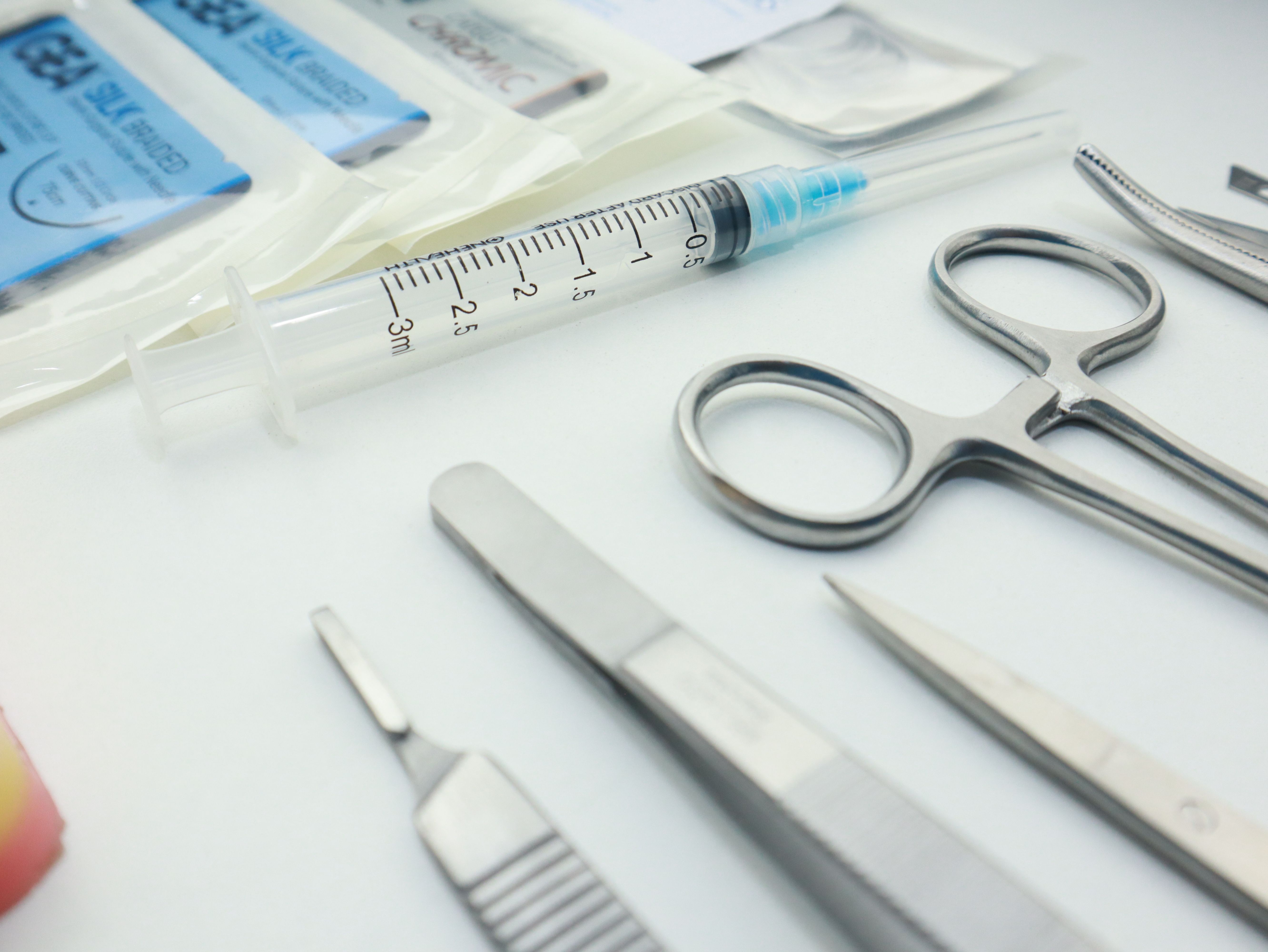
Almost all patients have a postoperative follow-up around the first week-ten days. If sutures are placed, they will be removed at this appointment. In rare occasion, I use dissolvable sutures. However, I do not prefer them, as they theoretically can cause more inflammation.
Once sutures are removed, many patients feel a turning point in recovery. The eyelids may still be bruised or swollen, but to lesser degree. The surgical sites look less intimidating. You may feel more comfortable being out of the house, although you may still prefer sunglasses.
At this point, patients often ask, “Do I look normal?” The honest answer is: you are improving, but you are not fully healed. Early healing is certainly underway. Swelling and redness are still present.
The good news is you may now discontinue the antibiotics and return to all activities, minus rubbing, scrubbing or pulling on the eyelids. This means no activities that involve wearing googles, which can pull on the eyelids.

By the second week, many patients feel comfortable returning to work, video calls, and light social activities. Bruising and swelling often improve significantly during this window, although some residual inflammation is expected.
Scar tissues start to form internally around two weeks after surgery and continue to form for the next 2-3 months. The incision line often feels thicker, firmer, or raised during this time. If we are concerned with thick scar, we may want to start topical silicone. Silicone comes in two forms: gel and sheet. I like the gel for during the day and sheet for at night or when at home and we do not mind having a silicone sheet on our face. Common brands of silicone are Silagen, Mederma and Scar Away.
At two weeks, makeup is allowed. When applying and removing make-up, you should avoid aggressive movements on the incision sites. Rigorous manipulation of the incision site at this point can result in opening the wound.

By three to four weeks, the eyelids often look and feel much more natural. Most visible bruising has resolved and swelling is less obvious. The incision line may still be red though, and it can stay red for few months.
While there is significant improvement, tissues are still remodeling internally. It is common to notice subtle swelling in the morning, mild tightness, or small differences between the two sides. Lower eyelid surgery, combined procedures, and procedures involving deeper tissue repositioning may take longer to settle than upper eyelid skin removal alone.
This is also the stage when patients often start seeing the early benefits: brighter eyes, less heaviness, smoother or higher lid contour, or a more refreshed appearance. The key word here is “early.”
Your final result is still developing. We expect 80% healing at around six weeks and 90% 3 or more months. Final healing takes at least six months.

At two to three months, most or all of visible swelling has resolved, but small refinements continue. Incision lines may still look pink or slightly firm, especially in fair or reactive skin types. Scars gradually thin and flatten at this time.
The eyelids are delicate, and healing around the eyes can be slow in subtle ways. Even when you look healed to others, you may still notice minor tightness, numbness, or swelling that comes and goes.
Sun protection is still a must. Healing skin is more vulnerable to sunlight that leads to prolong inflammation and pigmentation. Sunglasses, hats, and sunscreen can help protect incision lines as they mature.
If topical silicone is being used at this point, it may be discontinued if the incision line is flat. On the other hand, if the incision is thick or bumpy, then silicone may be continued for few more months.

Many patients look socially presentable within two weeks, but final healing takes longer. A good general rule is that you will see a major improvement within the first few weeks, more refinement over the next few months, and continued scar maturation beyond that.
Upper eyelid surgery may settle faster than lower eyelid surgery. Lower eyelid procedures can involve more swelling in the under-eye and cheek area, especially when fat is repositioned or when laser resurfacing is performed at the same time.
Your final result should look like you—only more rested, open, and refreshed.

The best recovery comes from adherence and consistency. Follow your postoperative instructions carefully, even if you feel better.
Helpful recovery habits may include:
- Keeping your head elevated and sleeping on the back during the early healing period
- Using cold and warm compresses as directed
- Taking prescribed medications exactly as instructed
- Avoiding rubbing, pulling, or massaging the eyelids unless directed
- Avoiding strenuous exercise until cleared
- Protecting your incisions from sun
- Using lubricating drops or ointment if recommended
- Attending all follow-up appointments

Some swelling, bruising, tightness, tearing, and mild discomfort are expected. However, certain symptoms should be reported promptly.
Contact your surgeon right away or seek urgent medical attention if you experience sudden vision changes, severe or worsening eye pain, uncontrolled bleeding, rapidly increasing swelling, pus-like drainage, chest pain, shortness of breath, fever, or symptoms that feel concerning or are getting worse instead of better.
When in doubt, it is always better to call. Your surgical team would rather hear from you early than have you wait with a problem that needs attention.

Eyelid surgery recovery is usually very manageable, but it is not instant. The first week is about taking it easy and protection. The second week is when many patients begin to feel more comfortable in public. The following weeks and months bring refinement, softening, and scar maturation.
The most important thing to remember is that swelling is temporary, asymmetry during healing is common, and your final result takes time to reveal itself.
At LaFace by Laura Phan MD, we guide patients through each stage of recovery with detailed instructions, careful follow-up, and a focus on natural-looking results.
Leave a Reply